This post looks at composition. It starts with Lego. It then looks at a theory of why deep neural networks work and how they could be trained. It ends on how brains may embody these theories.
Composition

Thoughts from My Head
This post looks at composition. It starts with Lego. It then looks at a theory of why deep neural networks work and how they could be trained. It ends on how brains may embody these theories.

What can we learn about the brain from the common patterns in human-generated audio?

Locality. It constrains with ubiquity. But why are we unable to see it?

Ever since "On Intelligence", I've been a Jeff Hawkins fanboy. It takes a lot of guts to invest all your wealth into understanding the brain. But what are his recent theories?
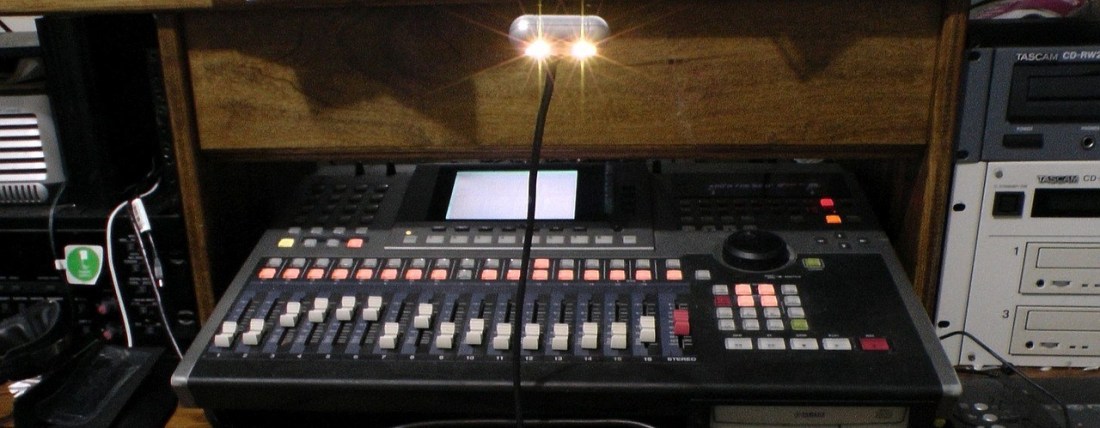
It's difficult to obtain audio/video data in Python. You just want a numpy array but how do you get this? This post presents a number of Python classes to address this issue.

How do you build proper histograms in Python?

Modern "deep" learning approaches have problems. The need for training data. A lack of robustness. Are they doing everything in reverse?

In my robotics projects I want to capture live audio and video data in Python. To save you several days, this blog post explains how I go about doing this.
The rise of machine learning and developments in neuroscience hint that prediction is key to how brains navigate the world. But how could this work in practice?
Here is a little notebook where I play around with converting images from a polar representation to a Cartesian representation. This is similar to the way our bodies map information from the retina onto the early visual areas. Mapping from the visual field (A) to the thalamus (B) to the cortex (C) These ideas are … Continue reading Playing Around with Retinal-Cortex Mappings
 Robotic Ape